
Protect Yourself from QRishing: The New Face of Phishing
IS
Understanding QRishing
As technology evolves, so do the tactics of cybercriminals. One of the latest threats in the digital landscape is QRishing, a form of phishing that uses QR codes to deceive users. By understanding this threat, you can better protect yourself and your sensitive information.
QR codes, or Quick Response codes, are two-dimensional barcodes that can be scanned using a smartphone to quickly access websites, download apps, or connect to Wi-Fi networks. While they offer convenience, they also open the door to potential security risks when malicious actors use them for phishing.
How QRishing Works
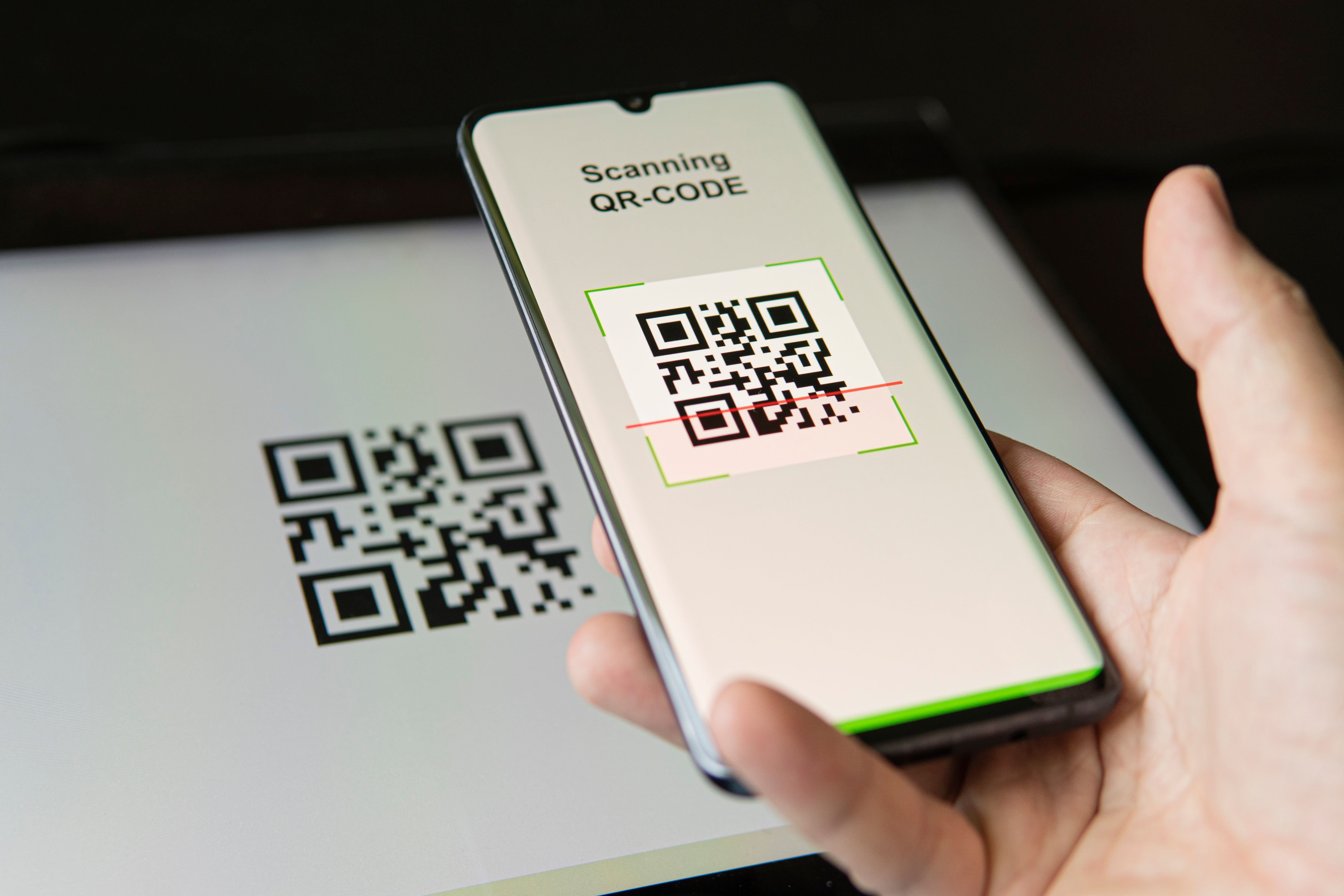
In a typical QRishing attack, cybercriminals create a malicious QR code that appears legitimate. When scanned, the code redirects the user to a fraudulent website designed to steal personal information, such as login credentials or credit card numbers. These fake websites often mimic the appearance of trusted sites to trick users into entering their details.
QR codes can be placed in various public locations, such as posters, brochures, or even restaurant menus. This widespread accessibility increases the likelihood of unsuspecting individuals falling victim to QRishing scams.
Recognizing the Signs of QRishing
To protect yourself from QRishing, it's crucial to recognize the warning signs. Be cautious of QR codes in unexpected places or those that look tampered with. If a QR code leads to a website that requests personal information without a clear purpose, it's best to avoid providing any details.
Always verify the source of a QR code before scanning. If you're unsure, try to access the information using alternative methods, such as manually entering the URL into your browser.
Protecting Yourself from Scams
Here are some steps you can take to safeguard yourself from QRishing attacks:
- Use QR code scanning apps that offer security features, such as checking the safety of a URL before opening it.
- Keep your smartphone's security software updated to protect against the latest threats.
- Be skeptical of unsolicited QR codes, especially in emails or text messages from unknown sources.
What to Do If You're a Victim
If you suspect you've fallen victim to a QRishing attack, take immediate action. Change any compromised passwords and contact your bank if you suspect your financial information has been exposed. Additionally, report the incident to the relevant authorities to help prevent others from being targeted.
Regularly monitor your financial statements and online accounts for any suspicious activity. Early detection can help minimize the damage caused by these scams.
Staying Informed and Vigilant
The digital world is constantly changing, and staying informed is your best defense against emerging threats like QRishing. By understanding the tactics used by cybercriminals and taking proactive steps to protect your information, you can reduce the risk of falling victim to these scams.
Remember, awareness and vigilance are your greatest allies in the fight against QRishing and other forms of cybercrime. Stay informed, stay safe, and protect your digital life.